
Physician burnout and medical error
Emerging evidence supports an increasingly robust link between physician burnout and medical error. This article explores the evidence between physician burnout and medical error, and the impact on patients.

Emerging evidence supports an increasingly robust link between physician burnout and medical error. This article explores the evidence between physician burnout and medical error, and the impact on patients.

Recognizing the critical need for support and coping mechanisms, physician-led peer debriefing has emerged as a promising approach to alleviate the stress and emotional strain physicians face daily.
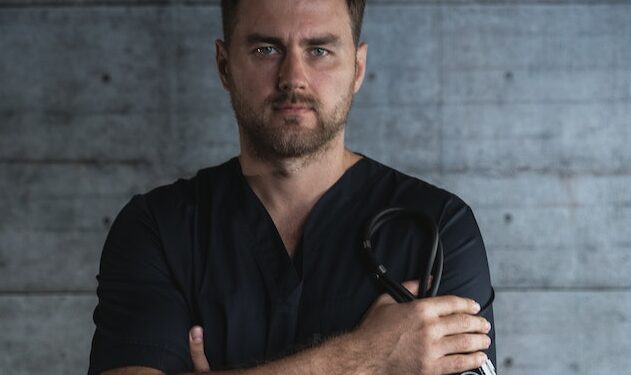
As we’ve discussed in Part I, Impostor syndrome is highly prevalent and has multiple causes. Furthermore, it can have a range of negative effects on physicians, from decreased job satisfaction and confidence to missed diagnoses and poor patient outcomes. In this article we look at the impact of impostor syndrome on physicians and patients. We then explore 5 steps in overcoming physician impostor syndrome.

There has never been a more urgent need to combat, or ideally prevent, physician burnout, mental illness, and suicide. In this article, we explore a number of peer support programs and summarize the key elements required to develop safe and supportive spaces for the unique needs of physicians at risk of burning out.

The life of a physician is one of the most stressful professions. In this article, I’ll discuss the trauma of medicine and what can be done about it.

Depending on which brand of English you speak, fine might be “awesome”, “doing great”, or “things could not be better”.
Often, however, “I’m fine” is just a throwaway term without meaning. If you are a physician, there’s a >6 in 10 chance you are NOT fine. Read on to find out more.