
Peer-led debriefing support to reduce burnout
Recognizing the critical need for support and coping mechanisms, physician-led peer debriefing has emerged as a promising approach to alleviate the stress and emotional strain physicians face daily.

Recognizing the critical need for support and coping mechanisms, physician-led peer debriefing has emerged as a promising approach to alleviate the stress and emotional strain physicians face daily.
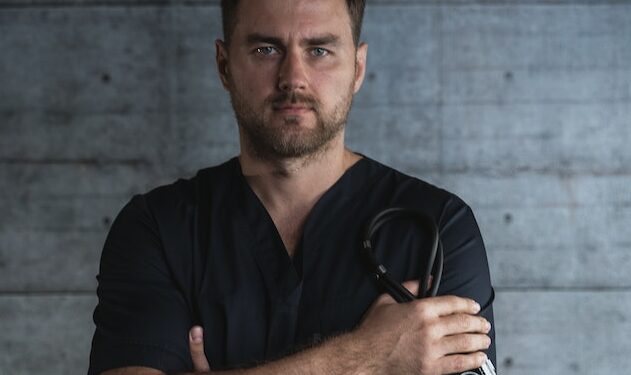
As we’ve discussed in Part I, Impostor syndrome is highly prevalent and has multiple causes. Furthermore, it can have a range of negative effects on physicians, from decreased job satisfaction and confidence to missed diagnoses and poor patient outcomes. In this article we look at the impact of impostor syndrome on physicians and patients. We then explore 5 steps in overcoming physician impostor syndrome.
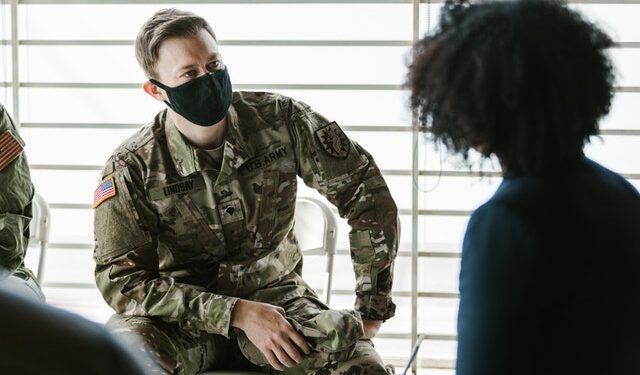
There has never been a more urgent need to combat, or ideally prevent, physician burnout, mental illness, and suicide. In this article, we explore a number of peer support programs and summarize the key elements required to develop safe and supportive spaces for the unique needs of physicians at risk of burning out.

The life of a physician is one of the most stressful professions. In this article, I’ll discuss the trauma of medicine and what can be done about it.

Depending on which brand of English you speak, fine might be “awesome”, “doing great”, or “things could not be better”.
Often, however, “I’m fine” is just a throwaway term without meaning. If you are a physician, there’s a >6 in 10 chance you are NOT fine. Read on to find out more.

Physician burnout overlaps with depression, anxiety, and trauma. Shared root causes in medicine explain rising distress among doctors.

Private equity hospital takeovers are putting patients at risk. Learn how PE ownership leads to worse outcomes, service closures, and higher costs — and what physicians and communities can do about it.

Instead of the usual venting, sharing, and nodding in quiet solidarity, we turned the spotlight onto a book—The Art of Surrender by Dr David Hawkins.

We heal others best when we heal ourselves. The culture of self-sacrifice in medicine is killing us—and our patients. Rest isn’t lazy. It’s medicine.

Healthcare private equity consolidation promises efficiency but often leaves doctors with more admin, less autonomy, and higher burnout.

When doctors care for themselves, they care better for others. Explore the importance of self-care and well-being in the medical profession.

Has medicine lost its soul? This blog examines how commercialization and modern pressures may be reshaping the true purpose of healthcare.

Medical ethics must adapt to today’s digital world. This blog explores how technology reshapes care, privacy, and the doctor–patient relationship.

The silent crisis of self-sacrifice reveals how neglecting our own well-being undermines true care and sustainable support for others.

Many top doctors are walking away from medicine. Learn the surprising reasons behind this shift and what it means for healthcare.

Doctors face rising burnout. Here’s how many are quietly saying “no more” and redefining balance in today’s healthcare system.

Every year, thousands of physicians quit their jobs leaving hospitals, clinics, and academic centers behind. When they go, most organizations conduct exit interviews to gather feedback on salary, workload, or management. But there’s a deeper conversation that almost never happens: the emotional exit interview. This is the chance for doctors to honestly express how their hearts have been bruised by the very profession they once loved—and for institutions to learn what truly drives physicians away.

Burnout in medicine is often described as the invisible epidemic, a silent crisis

Many physicians stay in their roles but have quietly “quit” in spirit—going through the motions while their passion and engagement vanish.

Let me confess something that might sound ridiculous coming from a doctor: for most of my career, I treated rest like a threat. A sign of weakness. A guilty pleasure to be earned only after I’d answered every email, seen every patient, signed off every note, and probably rotated the tires on someone else’s car just to be safe.

Is the motive behind resilience training to retain staff so that the system can continue to stay revenue-positive, or is it an investment in the ultimate resource of medicine, the human one?