
Peer-led debriefing support to reduce burnout
Recognizing the critical need for support and coping mechanisms, physician-led peer debriefing has emerged as a promising approach to alleviate the stress and emotional strain physicians face daily.

Recognizing the critical need for support and coping mechanisms, physician-led peer debriefing has emerged as a promising approach to alleviate the stress and emotional strain physicians face daily.
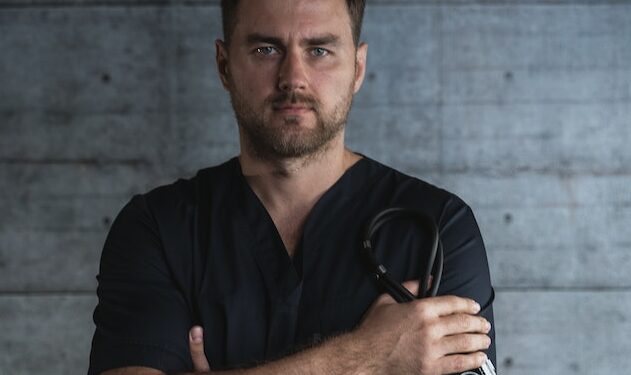
As we’ve discussed in Part I, Impostor syndrome is highly prevalent and has multiple causes. Furthermore, it can have a range of negative effects on physicians, from decreased job satisfaction and confidence to missed diagnoses and poor patient outcomes. In this article we look at the impact of impostor syndrome on physicians and patients. We then explore 5 steps in overcoming physician impostor syndrome.

There has never been a more urgent need to combat, or ideally prevent, physician burnout, mental illness, and suicide. In this article, we explore a number of peer support programs and summarize the key elements required to develop safe and supportive spaces for the unique needs of physicians at risk of burning out.

The life of a physician is one of the most stressful professions. In this article, I’ll discuss the trauma of medicine and what can be done about it.

Depending on which brand of English you speak, fine might be “awesome”, “doing great”, or “things could not be better”.
Often, however, “I’m fine” is just a throwaway term without meaning. If you are a physician, there’s a >6 in 10 chance you are NOT fine. Read on to find out more.

Physician burnout overlaps with depression, anxiety, and trauma. Shared root causes in medicine explain rising distress among doctors.

Physician Poetry: How To Be a Good Doctor On a Very Bad Day. The writer beautifully articulates the quiet suffering so many of us endure—the shame, the imposter syndrome of self-doubt, and the silent suffering and unnecessary isolation that comes with the weight of our responsibilities and our toxic medical system.

This poem, The Human Conundrum, explores the emptiness of consumerism and the need for deeper fulfillment through creativity, community, and connection with nature. It highlights the damage inflicted on the planet due to overconsumption while offering hope through imagination, unity, and action.

This article explores the thorny issue of physician burnout vs depression, attempting to tease out the similarities and differences.

By the time we are finished our medical training, it’s too late. We have already absorbed or been infused with years of culture, tradition, attitude, and approaches to mental health. These attitudes are towards ourselves, our colleagues, and our patients. If we are to change the culture around physician mental health, we need to start with the doctors of tomorrow. Medical schools have a key role in tackling medical student mental health. And they should start yesterday.

This article defines workplace psychological safety, the toxic triangle of unsafe workplaces, and presents 4 principles for leaders to promote psychologically safe work environments.

This article explores the concept of psychological safety in healthcare, and proposes 5 domains for safe healthcare environments.

As the new year begins, what are you going to do differently to improve your well being and happiness? In this article, we walk you through your options: change at your job, change your job, or change yourself. The latter option is made easier through Physicians Anonymous’s offerings.

In this article we explore the impact of “pajama time” and physician burnout, and propose radical solutions like: stop working at home.

In the often grueling world of medicine, physicians are revered as invincible healers—pillars of strength, wisdom, and resilience. We bear the immense responsibility of safeguarding the health and lives of others. But behind the white coats and professional facades, doctors are human too, grappling with the same vulnerabilities as anyone else.

Social connection is good for us. Loss of social connection is a major causative factor in physician burnout. In this article we explore social connection for physician burnout, offering a number of suggestions to reach out and connect for your own wellbeing.

“We lost him”. The surgical resident whispered it under his breath, stepping away from the trauma bay. The blood on his gloves and scrubs, a dull reddish brown under fluorescent lights, told the story of a 12-hour shift spent fighting battles he often lost.

We all talk about the importance of letting go, but they are very few of us that can actually do it well. Perhaps being human makes it so hard.
Yet it is when we let go that things begin to move and what we’ve been hoping and wishing for comes in alignment.

One of the biggest lessons I’ve learned on my Hero’s Journey is the importance of learning to accept ourselves (our full selves).

When you allow yourself to truly see and sit with the fact that we are only here for a short period of time, it can feel scary… and also freeing.

Motherhood is by far the hardest thing that I have ever done and continue doing every day. It is 1 million times harder than being a doctor and requires such a delicate dance of unconditional love, consistency, and compromise. At the same time, there is no doubt that being a physician is one of the hardest professions out there.