
Peer-led debriefing support to reduce burnout
Recognizing the critical need for support and coping mechanisms, physician-led peer debriefing has emerged as a promising approach to alleviate the stress and emotional strain physicians face daily.

Recognizing the critical need for support and coping mechanisms, physician-led peer debriefing has emerged as a promising approach to alleviate the stress and emotional strain physicians face daily.
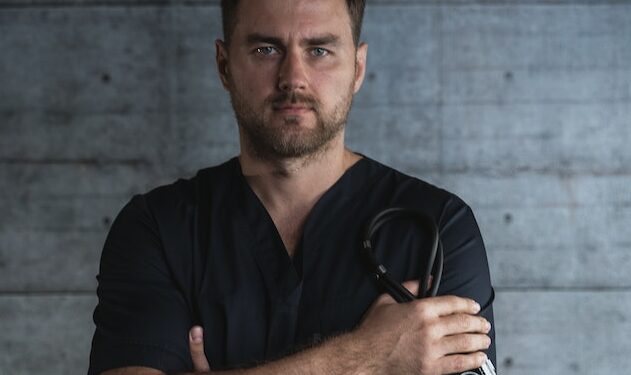
As we’ve discussed in Part I, Impostor syndrome is highly prevalent and has multiple causes. Furthermore, it can have a range of negative effects on physicians, from decreased job satisfaction and confidence to missed diagnoses and poor patient outcomes. In this article we look at the impact of impostor syndrome on physicians and patients. We then explore 5 steps in overcoming physician impostor syndrome.

There has never been a more urgent need to combat, or ideally prevent, physician burnout, mental illness, and suicide. In this article, we explore a number of peer support programs and summarize the key elements required to develop safe and supportive spaces for the unique needs of physicians at risk of burning out.

The life of a physician is one of the most stressful professions. In this article, I’ll discuss the trauma of medicine and what can be done about it.

Depending on which brand of English you speak, fine might be “awesome”, “doing great”, or “things could not be better”.
Often, however, “I’m fine” is just a throwaway term without meaning. If you are a physician, there’s a >6 in 10 chance you are NOT fine. Read on to find out more.

Physician burnout overlaps with depression, anxiety, and trauma. Shared root causes in medicine explain rising distress among doctors.

I do my best thinking in the quiet, calmness of nature – with space to breathe and observe the beauty of the world around us. I perform best when I have time to think, process, and move at ease with intention. For years, I pushed myself to move faster – with an urgency that was getting me places faster- only to realize I was missing the opportunity to enjoy the journey and the destinations were not where I wanted to be.

Medical residents’ mental health deteriorates during their training, but there are solutions to this resident burnout epidemic.

Women physicians still face disproportionate challenges within their medical careers compared to men. In part 2 we illustrate general and woman-specific strategies to combat female physician burnout.

Medical malpractice litigation is a complex and distressing reality for physicians, with potential far-reaching consequences for their mental health and overall well-being.

In Part 3, we explore the systemic causes leading to physician suicide. In so doing we hope to contribute to physician suicide prevention and highlight the toxic systemic issues that no amount of resilience training or individual risk factor modification can fix.

In Part 2, we explore the barriers to physicians seeking help and debunk these. In so doing we hope to contribute to physician suicide prevention, improve understanding of the-seeking contributors to the epidemic of physician suicide.

Why doctors die: Physician suicide prevention (1)

In this article we explore science-based small and inexpensive self-care for physician self-care options that may, we hope, help relieve stress and ultimately tackle physician burnout.

Physician perfectionism and burnout are inextricably linked. Perfectionism in medicine is an unhealthy delusion that fuels not just burnout but mental illness and suicide in doctors. In this article, we explore the concept, causes, and dangers of perfectionistic thinking and behavior in doctors.

We need to talk about physician suicide. Nearly 300 physicians die by suicide every year. National tragedy does not begin to describe it. The agony experienced not just by the victims but their loved ones, colleagues, and patients doesn’t bear thinking about.

Nearly 300 doctors a year die by suicide. That’s a million patients losing their doctors every year. Beyond the horrific numbers are the human stories. In this article, we reference a physician suicide register that collected details of our lost colleagues.
We remember the human beings — physicians, bright, dedicated, loved and loving, yet still human — who died by suicide.

As a psychiatrist, it took me only a few years in practice to realise that everyone needs a therapist (at least once in their lives). Doctors, nurses, and all healthcare practitioners (HCPs) are no different.

At a recent Physicians Anonymous meeting, we discussed an article on random acts of kindness. Researchers gave 84 random people in a wintry Chicago park free hot chocolates. They were then given the choice to gift it to another or keep it for themselves. Guess what happened?

Women physicians still face disproportionate challenges within their medical careers compared to men. Unsurprisingly, those women who face more work-related stressors report less satisfaction with their careers, and more burnout occurs in female doctors.

This blog explores the science of gratitude for physicians, how it may tackle burnout, and gives some suggestions for gratitude practice.