
Hippocrates didn’t have email: Why ethics must evolve
Medical ethics must adapt to today’s digital world. This blog explores how technology reshapes care, privacy, and the doctor–patient relationship.

Medical ethics must adapt to today’s digital world. This blog explores how technology reshapes care, privacy, and the doctor–patient relationship.
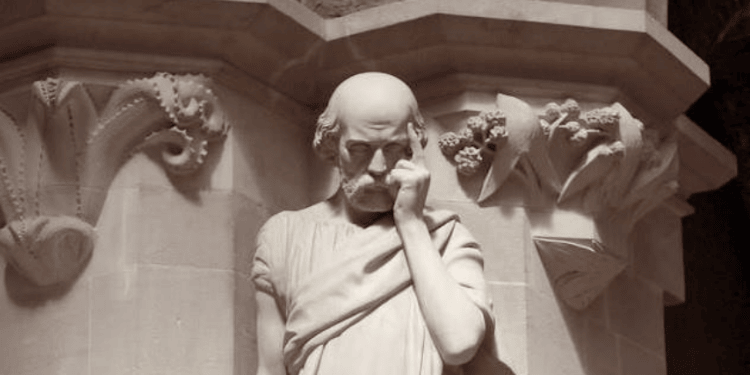
The silent crisis of self-sacrifice reveals how neglecting our own well-being undermines true care and sustainable support for others.

Many top doctors are walking away from medicine. Learn the surprising reasons behind this shift and what it means for healthcare.

Doctors face rising burnout. Here’s how many are quietly saying “no more” and redefining balance in today’s healthcare system.

Every year, thousands of physicians quit their jobs leaving hospitals, clinics, and academic centers behind. When they go, most organizations conduct exit interviews to gather feedback on salary, workload, or management. But there’s a deeper conversation that almost never happens: the emotional exit interview. This is the chance for doctors to honestly express how their hearts have been bruised by the very profession they once loved—and for institutions to learn what truly drives physicians away.

Burnout in medicine is often described as the invisible epidemic, a silent crisis

I had lots of ideas about the root causes of my burnout and how my institution could address them. Don’t tell me to take a yoga class, fix the damn EMR!

Burnout almost led me to take my own life. It destroyed my identity as a surgeon. My medical identity and my life were so enmeshed that losing medicine caused me to mourn my own death. From this low point, I have rebuilt. With lots of intensive therapy, and regular mindfulness and other wellness practices I’ve been able to rise from the depths.
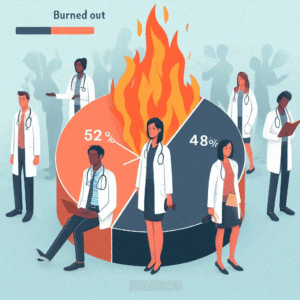
The latest US Physician Burnout & Depression Report (2023) from Medscape finds that physician burnout and depression are worsening. More than half of physicians (52%) reported that they are burned out and nearly 1 in 4 reporting that they are clinically depressed.

Positive affirmations are a powerful tool that can help you fight burnout. If you are feeling overwhelmed by stress, try using positive affirmations to boost your self-confidence and self-esteem. With a little practice, you can start to see a difference in your mood, emotions, and overall well-being.

Doctors, nurses, and other healthcare heroes are often seen as invincible. We’re the ones who care, but who takes care of us?

In a world that constantly demands excellence, where the pursuit of perfection is the norm, there lies a secret joy hidden in the unlikeliest of places – the realm of mediocrity in medicine.

How an obsession with success can lead to physician burnout; and strategies for mitigation

Why do we need laws? After all, hospitals and healthcare businesses know all about the corporate risks of overwork! We argue that without legislation to force safety, nothing will change because little, if anything, has changed to protect healthcare staff from overwork.

I have so many regrets about my medical career that I don’t even know where to begin. And I am not alone. We all make mistakes, give suboptimal service, have off days, or (most often, in my experience), nature wins. The cancer progresses. The psychosis relapses. The diabetes complicates. So am I going to wallow in them and feel sorry for myself? Or is there another way of dealing with regrets in my career as a doctor?

As healthcare in many countries evolves into a profit-driven industry, physicians face increasing pressures to prioritize efficiency, productivity, and financial outcomes over patient care and personal well-being.

Addressing physician wellbeing is a complex challenge that requires a comprehensive approach beyond individual interventions. A physician well-being ecosystem, designed to support and prioritize the mental and emotional well-being of physicians, is crucial for sustainable change.

This is part one of a guest blog by one of our senior mentors. She was a groundbreaker as a woman of color studying medicine in the 1970s. Here, she recounts her struggles in Pre-Med.

This is part two of a guest blog by one of our senior mentors. She was a groundbreaker as a woman of color studying medicine in the 1970s. Here, she recounts her first year at Med School far from home.

Protecting the Next Generation of Doctors. The practice of self-compassion has emerged as a valuable tool for medical students, offering support in navigating the pressures, setbacks, and self-criticism that can arise throughout their training. This article explores the importance of self-compassion specifically for medical students, provides an overview of relevant research and studies, and offers a practical guide to cultivating self-compassion in daily life.
AI art generation in the style of famous artists: can you guess who they are?