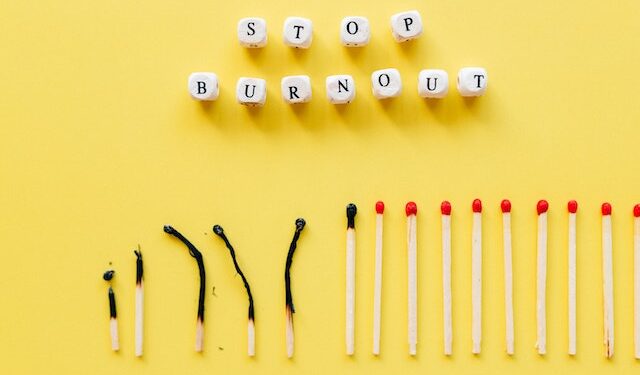
7 days of burnout: A physician’s burnout diary
A Physician’s Anonymous coach shares 7 days of their physician’s burnout diary, moving from resistance to connection and finding self.

A Physician’s Anonymous coach shares 7 days of their physician’s burnout diary, moving from resistance to connection and finding self.

“Welcome to the Trauma Surgery Unit” said Prof. “As it’s New Year’s Day we’re expecting a quiet one.” Prof’s sense of irony (i.e. sarcasm) was legendary. That night (first shift) a young man came in. “Stabbed chest. Resus!” came over the PA system, and everyone moved.

You should know: shame is a very, very bad master. And shame does not deserve your respect, because shame is a liar. Shame is also a huge problem in medicine.

In Part 1, we made the case that a career in modern medicine meets the diagnostic criteria for addiction. Medicine can be unhealthy, yet we carry on or feel unable to make healthy changes. In Part 2, we explore how to get sober if you’re addicted to medicine.

Are physicians addicted to medicine? in this article I will argue that medicine can be so intoxicating, even if it’s bad for us, that doctors can become addicted to it. Before too long, a medical life becomes a way of life until we don’t know any different.

Imagine a world where no doctor needed to fear sanctions or discrimination for struggling mentally, particularly when the modern practice of medicine is so fraught with conditions causing moral distress. Here’s how to normalize physician mental health.

I do my best thinking in the quiet, calmness of nature – with space to breathe and observe the beauty of the world around us. I perform best when I have time to think, process, and move at ease with intention. For years, I pushed myself to move faster – with an urgency that was getting me places faster- only to realize I was missing the opportunity to enjoy the journey and the destinations were not where I wanted to be.

Medical residents’ mental health deteriorates during their training, but there are solutions to this resident burnout epidemic.

Women physicians still face disproportionate challenges within their medical careers compared to men. In part 2 we illustrate general and woman-specific strategies to combat female physician burnout.

Medical malpractice litigation is a complex and distressing reality for physicians, with potential far-reaching consequences for their mental health and overall well-being.

In Part 3, we explore the systemic causes leading to physician suicide. In so doing we hope to contribute to physician suicide prevention and highlight the toxic systemic issues that no amount of resilience training or individual risk factor modification can fix.

In Part 2, we explore the barriers to physicians seeking help and debunk these. In so doing we hope to contribute to physician suicide prevention, improve understanding of the-seeking contributors to the epidemic of physician suicide.

Why doctors die: Physician suicide prevention (1)

In this article we explore science-based small and inexpensive self-care for physician self-care options that may, we hope, help relieve stress and ultimately tackle physician burnout.

Physician perfectionism and burnout are inextricably linked. Perfectionism in medicine is an unhealthy delusion that fuels not just burnout but mental illness and suicide in doctors. In this article, we explore the concept, causes, and dangers of perfectionistic thinking and behavior in doctors.

We need to talk about physician suicide. Nearly 300 physicians die by suicide every year. National tragedy does not begin to describe it. The agony experienced not just by the victims but their loved ones, colleagues, and patients doesn’t bear thinking about.

Nearly 300 doctors a year die by suicide. That’s a million patients losing their doctors every year. Beyond the horrific numbers are the human stories. In this article, we reference a physician suicide register that collected details of our lost colleagues.
We remember the human beings — physicians, bright, dedicated, loved and loving, yet still human — who died by suicide.

As a psychiatrist, it took me only a few years in practice to realise that everyone needs a therapist (at least once in their lives). Doctors, nurses, and all healthcare practitioners (HCPs) are no different.

At a recent Physicians Anonymous meeting, we discussed an article on random acts of kindness. Researchers gave 84 random people in a wintry Chicago park free hot chocolates. They were then given the choice to gift it to another or keep it for themselves. Guess what happened?

Women physicians still face disproportionate challenges within their medical careers compared to men. Unsurprisingly, those women who face more work-related stressors report less satisfaction with their careers, and more burnout occurs in female doctors.

This blog explores the science of gratitude for physicians, how it may tackle burnout, and gives some suggestions for gratitude practice.