
When is enough…. enough in your career?
In a career when we always strive for more, when is enough enough? Dr Jillian Reigert DMD MD one of our Physicians Anonymous Approved Coaches guest blogs on “enoughness”.

In a career when we always strive for more, when is enough enough? Dr Jillian Reigert DMD MD one of our Physicians Anonymous Approved Coaches guest blogs on “enoughness”.

Doctors and those in training are taught to put the needs of others ahead of their own – often to the detriment of their own well-being. Self-compassion can play a vital role in supporting physician wellness and overall work satisfaction.

A Physician’s Anonymous coach shares 7 days of their physician’s burnout diary, moving from resistance to connection and finding self.

“Welcome to the Trauma Surgery Unit” said Prof. “As it’s New Year’s Day we’re expecting a quiet one.” Prof’s sense of irony (i.e. sarcasm) was legendary. That night (first shift) a young man came in. “Stabbed chest. Resus!” came over the PA system, and everyone moved.

You should know: shame is a very, very bad master. And shame does not deserve your respect, because shame is a liar. Shame is also a huge problem in medicine.

In Part 1, we made the case that a career in modern medicine meets the diagnostic criteria for addiction. Medicine can be unhealthy, yet we carry on or feel unable to make healthy changes. In Part 2, we explore how to get sober if you’re addicted to medicine.

In a career when we always strive for more, when is enough enough? Dr Jillian Reigert DMD MD one of our Physicians Anonymous Approved Coaches guest blogs on “enoughness”.

Doctors and those in training are taught to put the needs of others ahead of their own – often to the detriment of their own well-being. Self-compassion can play a vital role in supporting physician wellness and overall work satisfaction.
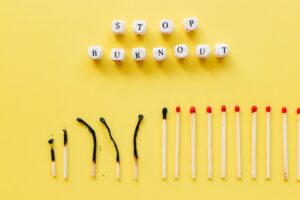
A Physician’s Anonymous coach shares 7 days of their physician’s burnout diary, moving from resistance to connection and finding self.

“Welcome to the Trauma Surgery Unit” said Prof. “As it’s New Year’s Day we’re expecting a quiet one.” Prof’s sense of irony (i.e. sarcasm) was legendary. That night (first shift) a young man came in. “Stabbed chest. Resus!” came over the PA system, and everyone moved.

You should know: shame is a very, very bad master. And shame does not deserve your respect, because shame is a liar. Shame is also a huge problem in medicine.

In Part 1, we made the case that a career in modern medicine meets the diagnostic criteria for addiction. Medicine can be unhealthy, yet we carry on or feel unable to make healthy changes. In Part 2, we explore how to get sober if you’re addicted to medicine.

Are physicians addicted to medicine? in this article I will argue that medicine can be so intoxicating, even if it’s bad for us, that doctors can become addicted to it. Before too long, a medical life becomes a way of life until we don’t know any different.

Imagine a world where no doctor needed to fear sanctions or discrimination for struggling mentally, particularly when the modern practice of medicine is so fraught with conditions causing moral distress. Here’s how to normalize physician mental health.

In part two of his series, Dr. Chad Lennon explores recovering from burnout, processing grief, and shifting focus from clinical perfection to human connection.

A note to the suicidal doctor from the heart of one who has been there and come through stronger.

Every doctor starts with innocent wonder, but medical training forces an evolutionary shift. Explore the hidden cost of becoming a “shark” in medicine.

When things go wrong, it is easy to focus only on the “first victim” and forget those around them affected by the error – especially the clinician who made a mistake, also known as the “second victim” in medicine.

Physicians are sick, and it’s getting worse. Yet too few doctors seek help or reach out when we are struggling. Record numbers of us are burning out, becoming mentally ill or addicted, retiring early, and leaving medicine.

Emerging evidence supports an increasingly robust link between physician burnout and medical error. This article explores the evidence between physician burnout and medical error, and the impact on patients.

Recognizing the critical need for support and coping mechanisms, physician-led peer debriefing has emerged as a promising approach to alleviate the stress and emotional strain physicians face daily.