
The hidden epidemic: Physicians who stay but mentally quit
Many physicians stay in their roles but have quietly “quit” in spirit—going through the motions while their passion and engagement vanish.

Many physicians stay in their roles but have quietly “quit” in spirit—going through the motions while their passion and engagement vanish.

Let me confess something that might sound ridiculous coming from a doctor: for most of my career, I treated rest like a threat. A sign of weakness. A guilty pleasure to be earned only after I’d answered every email, seen every patient, signed off every note, and probably rotated the tires on someone else’s car just to be safe.

Is the motive behind resilience training to retain staff so that the system can continue to stay revenue-positive, or is it an investment in the ultimate resource of medicine, the human one?

I am just a physician who has spent 20+ years in the ER, had a few leadership roles along the way (which makes for a mildly robust LinkedIn profile), and nurtured some wisdom too. I think that is enough.

After burning out, I learned that chasing a perfect 50/50 work-life balance is unrealistic—especially in medicine. Instead, I now embrace asymmetric balance, where some days work wins, and others, life does.

Psychological safety, defined as a shared belief that the team is safe for interpersonal risk-taking, is a critical component of effective healthcare delivery. Yet, numerous reports and studies indicate that a lack of psychological safety persists in many healthcare settings, leading to adverse outcomes for both patients and providers.

My journey through the dark night of the soul as a physician was profound and transformative. It challenged my identity, purpose, and resilience, leading to a deep exploration of myself.

I believe we can come out of this crisis with a new culture of a caring community. But this is only possible if we invest in self-compassion.

Self-compassion does not make you soft. Boundaries do not make you closed off nor selfish. I had to repeat this many times before I started to understand how true and how essential self-compassion and boundaries are in our lives.

Every doctor starts with innocent wonder, but medical training forces an evolutionary shift. Explore the hidden cost of becoming a “shark” in medicine.

Every doctor starts with innocent wonder, but medical training forces an evolutionary shift. Explore the hidden cost of becoming a “shark” in medicine.

Every doctor starts with innocent wonder, but medical training forces an evolutionary shift. Explore the hidden cost of becoming a “shark” in medicine.

Every doctor starts with innocent wonder, but medical training forces an evolutionary shift. Explore the hidden cost of becoming a “shark” in medicine.

In a career when we always strive for more, when is enough enough? Dr Jillian Reigert DMD MD one of our Physicians Anonymous Approved Coaches guest blogs on “enoughness”.

Doctors and those in training are taught to put the needs of others ahead of their own – often to the detriment of their own well-being. Self-compassion can play a vital role in supporting physician wellness and overall work satisfaction.
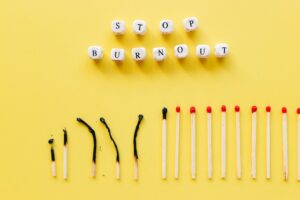
A Physician’s Anonymous coach shares 7 days of their physician’s burnout diary, moving from resistance to connection and finding self.

“Welcome to the Trauma Surgery Unit” said Prof. “As it’s New Year’s Day we’re expecting a quiet one.” Prof’s sense of irony (i.e. sarcasm) was legendary. That night (first shift) a young man came in. “Stabbed chest. Resus!” came over the PA system, and everyone moved.

You should know: shame is a very, very bad master. And shame does not deserve your respect, because shame is a liar. Shame is also a huge problem in medicine.

In Part 1, we made the case that a career in modern medicine meets the diagnostic criteria for addiction. Medicine can be unhealthy, yet we carry on or feel unable to make healthy changes. In Part 2, we explore how to get sober if you’re addicted to medicine.

Are physicians addicted to medicine? in this article I will argue that medicine can be so intoxicating, even if it’s bad for us, that doctors can become addicted to it. Before too long, a medical life becomes a way of life until we don’t know any different.

Imagine a world where no doctor needed to fear sanctions or discrimination for struggling mentally, particularly when the modern practice of medicine is so fraught with conditions causing moral distress. Here’s how to normalize physician mental health.