
7 days of burnout: A physician’s burnout diary
A Physician’s Anonymous coach shares 7 days of their physician’s burnout diary, moving from resistance to connection and finding self.

A Physician’s Anonymous coach shares 7 days of their physician’s burnout diary, moving from resistance to connection and finding self.

“Welcome to the Trauma Surgery Unit” said Prof. “As it’s New Year’s Day we’re expecting a quiet one.” Prof’s sense of irony (i.e. sarcasm) was legendary. That night (first shift) a young man came in. “Stabbed chest. Resus!” came over the PA system, and everyone moved.

You should know: shame is a very, very bad master. And shame does not deserve your respect, because shame is a liar. Shame is also a huge problem in medicine.

In Part 1, we made the case that a career in modern medicine meets the diagnostic criteria for addiction. Medicine can be unhealthy, yet we carry on or feel unable to make healthy changes. In Part 2, we explore how to get sober if you’re addicted to medicine.
Are physicians addicted to medicine? in this article I will argue that medicine can be so intoxicating, even if it’s bad for us, that doctors can become addicted to it. Before too long, a medical life becomes a way of life until we don’t know any different.

Imagine a world where no doctor needed to fear sanctions or discrimination for struggling mentally, particularly when the modern practice of medicine is so fraught with conditions causing moral distress. Here’s how to normalize physician mental health.

This is part two of a guest blog by one of our senior mentors. She was a groundbreaker as a woman of color studying medicine in the 1970s. Here, she recounts her first year at Med School far from home.

Protecting the Next Generation of Doctors. The practice of self-compassion has emerged as a valuable tool for medical students, offering support in navigating the pressures, setbacks, and self-criticism that can arise throughout their training. This article explores the importance of self-compassion specifically for medical students, provides an overview of relevant research and studies, and offers a practical guide to cultivating self-compassion in daily life.

AI art generation in the style of famous artists: can you guess who they are?

To prove that Physicians Anonymous is surfing the wave of high technology, we’ve been playing around with various AI models. Starting with image generators, we’ve been both impressed and horrified by the outputs.

I’ve spent years deeply uncomfortable in my skin. Wanting to disappear.
Last night- a wave of anxiety hit me as it often does when the world gets quiet.
In tune with my body for a brief moment, my heart ached.
Why?

The arrival fallacy — the idea that I will be happy when I reach X — can also contribute to mental health issues among physicians, who may struggle to find a sense of purpose and meaning in their work.

The arrival fallacy refers to the idea that reaching a specific goal or milestone will result in lasting happiness and fulfilment.
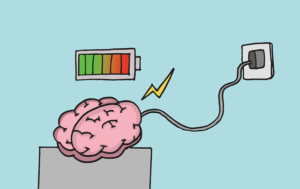
If adequate rest – both time off, time to sleep, and vacations – are essential to recharge our medical batteries, what would the effects of a longer period of time off be on physician burnout?

In this article, Dr Reigert discusses her surgical residency journey, the effect of chronic sleep deprivation, the arrival fallacy, and giving yourself permission to pivot your career if Plan A isn’t working out. She also reminds us of the importance of getting professional help and that no career is worth your life.

“I think I need to take a medical leave.”
He replied with compassion and understanding, “When?”
I said, “Days or months ago, but I’ll settle for.. now.”
The next day, I was on medical leave. I risked my career to save my life.

The Dark Side of a Dedicated Career. Medical doctors are known for our long hours and unwavering dedication to our patients. But what happens when this level of commitment turns into a destructive force? Workaholism, the compulsive drive to work excessive hours, is a growing concern in the medical profession, with a significant number of doctors struggling with the demands of our careers.

Amidst the bustling hospital halls,
Where healing hands attend to calls,
Amidst the chaos and the strife,
There stands a symbol of life.

Impostor syndrome is a common phenomenon among physicians, where we feel like we are frauds in our profession and that we don’t deserve our success. It is believed that this feeling is often triggered by the high level of responsibility and stress that comes with being a doctor. Impostor syndrome can also be considered a risk factor for burnout and psychological distress.

Institutional betrayal in corporate medicine refers to instances in which physicians or other healthcare professionals feel that their employers have acted against their best interests, or violated their trust. This can occur in a number of different ways, from unfair treatment of staff to unethical business practices, and can have wide-ranging effects on both staff and patients.

We hope that, on this Valentine’s day when romantic love is celebrated, you got to spend some time with those you love. You are very loved by us here at Physicians Anonymous. So we wrote you all a little love poem.