
The Dark Night of the medical soul
In this article we explore the concept of the dark night of the medical soul, its characteristics, and the resultant opportunities for growth.

In this article we explore the concept of the dark night of the medical soul, its characteristics, and the resultant opportunities for growth.

Self-compassion, a practice rooted in mindfulness and self-kindness, has emerged as a powerful tool to support the well-being and resilience of physicians. This hands-on guide will explore the evidence base for self-compassion in physicians and provide practical steps to cultivate self-compassion in physicians’ daily lives.

For so many reasons the term “disruptive doctor” is unhelpful at best, cruel and discriminatory at worst. As a label it has been used and misused. Very few physicians start out disruptive. The reality is that disruptive behavior in physicians is often a symptom of a larger systemic problem. It may be related to stress, burnout, mental health issues, addiction, and more.

My journey through the dark night of the soul as a physician was profound and transformative. It challenged my identity, purpose, and resilience, leading to a deep exploration of myself.

Every doctor starts with innocent wonder, but medical training forces an evolutionary shift. Explore the hidden cost of becoming a “shark” in medicine.

Every doctor starts with innocent wonder, but medical training forces an evolutionary shift. Explore the hidden cost of becoming a “shark” in medicine.

Every doctor starts with innocent wonder, but medical training forces an evolutionary shift. Explore the hidden cost of becoming a “shark” in medicine.

Every doctor starts with innocent wonder, but medical training forces an evolutionary shift. Explore the hidden cost of becoming a “shark” in medicine.

Doctors and those in training are taught to put the needs of others ahead of their own – often to the detriment of their own well-being. Self-compassion can play a vital role in supporting physician wellness and overall work satisfaction.
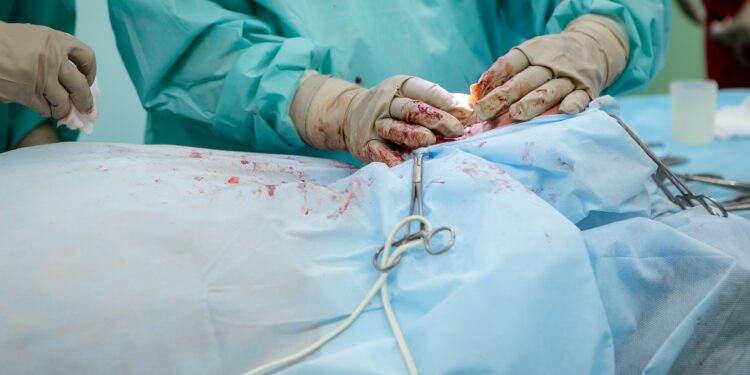
“Welcome to the Trauma Surgery Unit” said Prof. “As it’s New Year’s Day we’re expecting a quiet one.” Prof’s sense of irony (i.e. sarcasm) was legendary. That night (first shift) a young man came in. “Stabbed chest. Resus!” came over the PA system, and everyone moved.

In Part 1, we made the case that a career in modern medicine meets the diagnostic criteria for addiction. Medicine can be unhealthy, yet we carry on or feel unable to make healthy changes. In Part 2, we explore how to get sober if you’re addicted to medicine.
Are physicians addicted to medicine? in this article I will argue that medicine can be so intoxicating, even if it’s bad for us, that doctors can become addicted to it. Before too long, a medical life becomes a way of life until we don’t know any different.