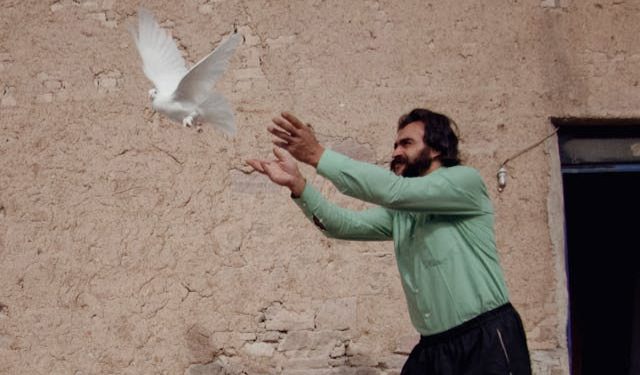
The power of letting go: What an ICU doctor taught me about surrender
Instead of the usual venting, sharing, and nodding in quiet solidarity, we turned the spotlight onto a book—The Art of Surrender by Dr David Hawkins.

Instead of the usual venting, sharing, and nodding in quiet solidarity, we turned the spotlight onto a book—The Art of Surrender by Dr David Hawkins.

We heal others best when we heal ourselves. The culture of self-sacrifice in medicine is killing us—and our patients. Rest isn’t lazy. It’s medicine.
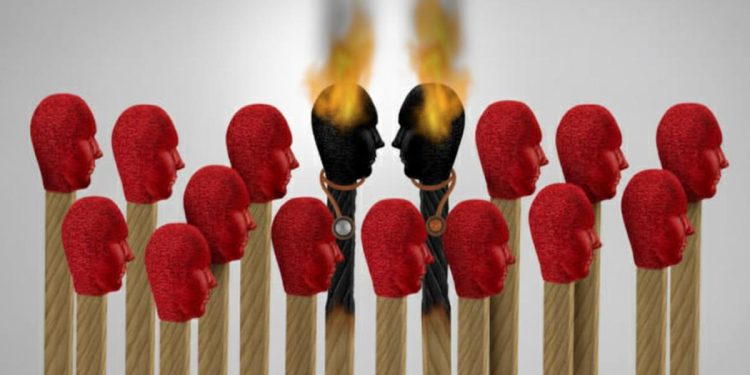
Healthcare private equity consolidation promises efficiency but often leaves doctors with more admin, less autonomy, and higher burnout.
When doctors care for themselves, they care better for others. Explore the importance of self-care and well-being in the medical profession.

Has medicine lost its soul? This blog examines how commercialization and modern pressures may be reshaping the true purpose of healthcare.

Medical ethics must adapt to today’s digital world. This blog explores how technology reshapes care, privacy, and the doctor–patient relationship.

Despite the availability of traditional support systems like Employee Assistance Programs (EAPs) and institutional wellness initiatives, a significant number of physicians continue to grapple with burnout, depression, and other mental health challenges. This disconnect prompts a critical examination of why these support structures often fall short for those in the medical profession.

In the corridors of our hospitals and clinics, a silent crisis persists—one that affects not only the well-being of our physicians but also the quality of care provided to patients.

When an institution signs up with us during the month of May, we will provide three months of free institutional access to our anonymous meetings from June through September.

Research suggesting low rates of help-seeking behavior among physicians. Yet an encouraging recent study showed that some 70% of physicians would engage with a professional coach. We argue that this openness to coaching provides a much-needed support system and a potential solution to the current pandemic of physician burnout and suicide.

In this article, we examine the evidence base for physician coaching and wellbeing, how to find a good coach, and how to tell if they’re right for you. We also note a caveat around the need for systemic change – a white coat revolution if you will – to address the underlying toxicity of modern medicine causing so much physician distress, burnout, and moral injury.

There is clearly no quick fix to the underlying causes of moral injury in healthcare. This is not a war where a ceasefire can be declared.
So, how do we try to move from the collective moral injury experience of physicians to a systematic change in the structure of medical practice?

“Front-line”, “battle”, “the trenches”. These terms are all too familiar when talking about modern medicine. Why are we referencing war when we should be talking about healing?

The Japanese concept of Wabi Sabi beautifully captures the essence of life: appreciating the imperfect, the impermanent, and the incomplete. It reminds us to cherish the journey, with all its ups and downs – especially in medicine – instead of obsessing over destinations or goals.

Physician burnout is not a result of individual physician characteristics, but is significantly influenced by systemic factors within the healthcare system. In this blog, we will delve into the concept that physician burnout is more accurately described as an administrative or systemic disorder rather than an individual problem disorder, emphasizing the organizational, cultural, and economic factors that contribute to burnout in doctors.

In Part 2 of this series, we will look at further at the etiology of physician burnout, specifically the roles of medical training and leadership.

The epidemic of burnout among physicians and other healthcare professionals is here and it ain’t going away (yet). This article explores the key underlying causes of physician burnout and moral injury.

Physician Poetry: How To Be a Good Doctor On a Very Bad Day. The writer beautifully articulates the quiet suffering so many of us endure—the shame, the imposter syndrome of self-doubt, and the silent suffering and unnecessary isolation that comes with the weight of our responsibilities and our toxic medical system.

This poem, The Human Conundrum, explores the emptiness of consumerism and the need for deeper fulfillment through creativity, community, and connection with nature. It highlights the damage inflicted on the planet due to overconsumption while offering hope through imagination, unity, and action.

This article explores the thorny issue of physician burnout vs depression, attempting to tease out the similarities and differences.

By the time we are finished our medical training, it’s too late. We have already absorbed or been infused with years of culture, tradition, attitude, and approaches to mental health. These attitudes are towards ourselves, our colleagues, and our patients. If we are to change the culture around physician mental health, we need to start with the doctors of tomorrow. Medical schools have a key role in tackling medical student mental health. And they should start yesterday.