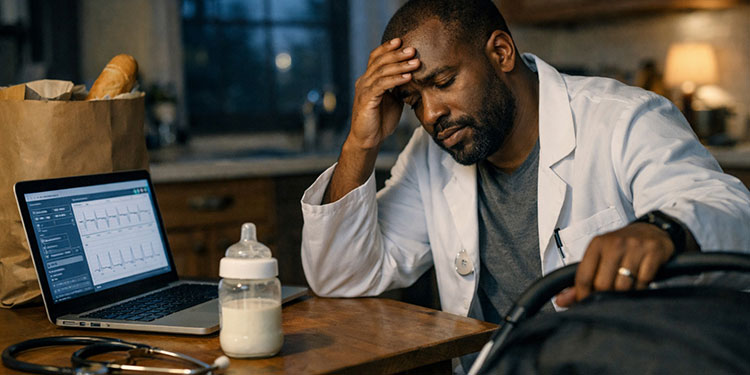
Being a Good Doctor As a Parent
The challenges of physician fatherhood and burnout. Discover how a Black doctor managed the twin pandemics of COVID-19 and systemic racism while learning that being a good doctor means not struggling alone.

The challenges of physician fatherhood and burnout. Discover how a Black doctor managed the twin pandemics of COVID-19 and systemic racism while learning that being a good doctor means not struggling alone.

Dr. Corrigan reflects on why physician burnout remains a critical issue in 2026. Drawing on research and lived experience, he explores what’s changing, what isn’t, and why connection still matters.

Happy New Year from Physicians Anonymous – some haikus from us for 2026. Enjoy, relax, and join us for our anonymous meetings!
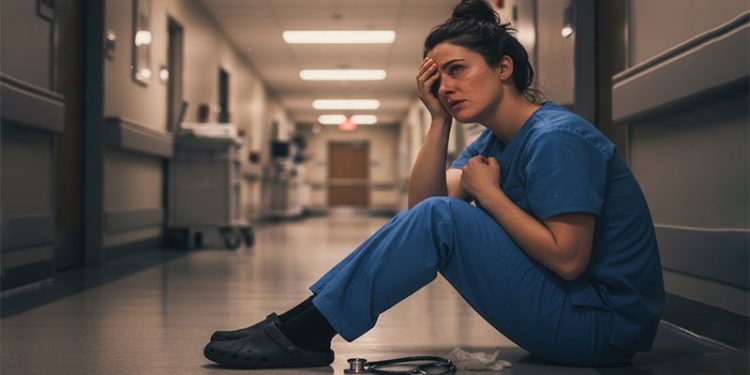
Physicians aren’t struggling because they lack resilience. They’re burning out in a broken system. Here’s why doctors are already resilient—and what must change.

Perfectionism in medicine is often mistaken for professionalism. Dr. John explores how letting go of “perfect” helps physicians stay human…
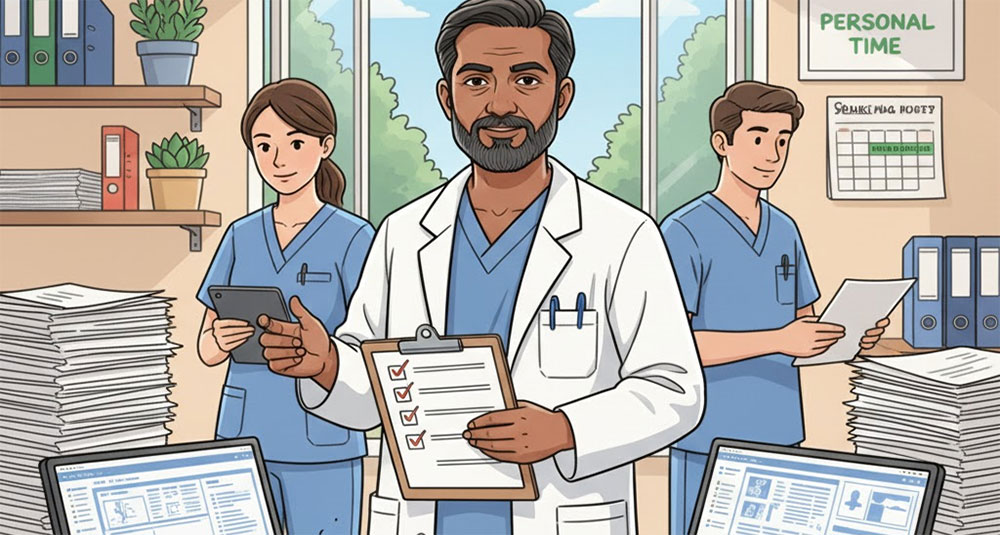
Drowning in charts and paperwork? Read practical tips to work smarter, save time, and protect your sanity as a physician.

In Part 2 of this series, we will look at further at the etiology of physician burnout, specifically the roles of medical training and leadership.

The epidemic of burnout among physicians and other healthcare professionals is here and it ain’t going away (yet). This article explores the key underlying causes of physician burnout and moral injury.

Physician Poetry: How To Be a Good Doctor On a Very Bad Day. The writer beautifully articulates the quiet suffering so many of us endure—the shame, the imposter syndrome of self-doubt, and the silent suffering and unnecessary isolation that comes with the weight of our responsibilities and our toxic medical system.

This poem, The Human Conundrum, explores the emptiness of consumerism and the need for deeper fulfillment through creativity, community, and connection with nature. It highlights the damage inflicted on the planet due to overconsumption while offering hope through imagination, unity, and action.

This article explores the thorny issue of physician burnout vs depression, attempting to tease out the similarities and differences.

By the time we are finished our medical training, it’s too late. We have already absorbed or been infused with years of culture, tradition, attitude, and approaches to mental health. These attitudes are towards ourselves, our colleagues, and our patients. If we are to change the culture around physician mental health, we need to start with the doctors of tomorrow. Medical schools have a key role in tackling medical student mental health. And they should start yesterday.

This article defines workplace psychological safety, the toxic triangle of unsafe workplaces, and presents 4 principles for leaders to promote psychologically safe work environments.

This article explores the concept of psychological safety in healthcare, and proposes 5 domains for safe healthcare environments.

As the new year begins, what are you going to do differently to improve your well being and happiness? In this article, we walk you through your options: change at your job, change your job, or change yourself. The latter option is made easier through Physicians Anonymous’s offerings.

In this article we explore the impact of “pajama time” and physician burnout, and propose radical solutions like: stop working at home.

In the often grueling world of medicine, physicians are revered as invincible healers—pillars of strength, wisdom, and resilience. We bear the immense responsibility of safeguarding the health and lives of others. But behind the white coats and professional facades, doctors are human too, grappling with the same vulnerabilities as anyone else.

Social connection is good for us. Loss of social connection is a major causative factor in physician burnout. In this article we explore social connection for physician burnout, offering a number of suggestions to reach out and connect for your own wellbeing.

“We lost him”. The surgical resident whispered it under his breath, stepping away from the trauma bay. The blood on his gloves and scrubs, a dull reddish brown under fluorescent lights, told the story of a 12-hour shift spent fighting battles he often lost.

We all talk about the importance of letting go, but they are very few of us that can actually do it well. Perhaps being human makes it so hard.
Yet it is when we let go that things begin to move and what we’ve been hoping and wishing for comes in alignment.

One of the biggest lessons I’ve learned on my Hero’s Journey is the importance of learning to accept ourselves (our full selves).