
Why doctors die: Physician suicide prevention (1)

Why doctors die: Physician suicide prevention (1)

In this article we explore science-based small and inexpensive self-care for physician self-care options that may, we hope, help relieve stress and ultimately tackle physician burnout.

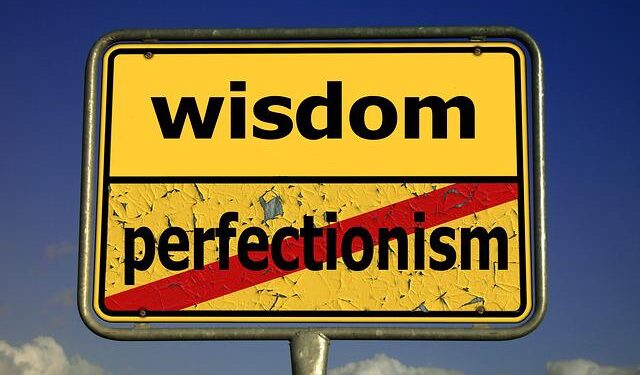
Physician perfectionism and burnout are inextricably linked. Perfectionism in medicine is an unhealthy delusion that fuels not just burnout but mental illness and suicide in doctors. In this article, we explore the concept, causes, and dangers of perfectionistic thinking and behavior in doctors.

We need to talk about physician suicide. Nearly 300 physicians die by suicide every year. National tragedy does not begin to describe it. The agony experienced not just by the victims but their loved ones, colleagues, and patients doesn’t bear thinking about.

Nearly 300 doctors a year die by suicide. That’s a million patients losing their doctors every year. Beyond the horrific numbers are the human stories. In this article, we reference a physician suicide register that collected details of our lost colleagues.
We remember the human beings — physicians, bright, dedicated, loved and loving, yet still human — who died by suicide.

As a psychiatrist, it took me only a few years in practice to realise that everyone needs a therapist (at least once in their lives). Doctors, nurses, and all healthcare practitioners (HCPs) are no different.

T’was the night before Christmas, and all through the ER, everyone was stirring, shouting, vomiting, and hemorrhaging. Except for the mice, who very sensibly stayed away, because it was chaos.

This article explores why residents are at even higher risk of burnout and mental health deterioration than the average physician population. We then look at the evidence base for resident burnout prevention programs and consider why postgraduate education providers should seriously consider investing in these. Mindfulness and Coaching programs are examined as having the most evidence-base.

I recently decided I was going to leave my role as an Emergency Medicine (ER) doctor in the UK National Health Service (NHS). As service after service reaches its full capacity and beyond, the people who rely on these services do not know where to go for the help they need. All of these factors led me do decide that I no longer wanted to commit my daily energies to a system that was causing me to burn out.

A Physician’s Anonymous coach shares 7 days of their physician’s burnout diary, moving from resistance to connection and finding self.

If there was one thing that helped me deal with my own burnout, it was hearing another General Practitioner (GP) stand up in front of a lecture theatre of 200 people and say that they had been burned out too.

The life of a physician is one of the most stressful professions. In this article, I’ll discuss the trauma of medicine and what can be done about it.

“Welcome to the Trauma Surgery Unit” said Prof. “As it’s New Year’s Day we’re expecting a quiet one.” Prof’s sense of irony (i.e. sarcasm) was legendary. That night (first shift) a young man came in. “Stabbed chest. Resus!” came over the PA system, and everyone moved.

You should know: shame is a very, very bad master. And shame does not deserve your respect, because shame is a liar. Shame is also a huge problem in medicine.

In Part 1, we made the case that a career in modern medicine meets the diagnostic criteria for addiction. Medicine can be unhealthy, yet we carry on or feel unable to make healthy changes. In Part 2, we explore how to get sober if you’re addicted to medicine.

Are physicians addicted to medicine? in this article I will argue that medicine can be so intoxicating, even if it’s bad for us, that doctors can become addicted to it. Before too long, a medical life becomes a way of life until we don’t know any different.

“For the first time in ages, I didn’t feel alone anymore that night. Despite the craziness that had happened in the days prior, I felt calm.
In this, our second Guest Physician blog by Dr Henry Harris, surgeon, alcoholic in recovery, and proudly Approved Physicians Anonymous Mentor, Dr Harris shares his experience of rehab as an alcoholic physician.

In the months before my rock bottom, it felt like there wasn’t a soul around for me to explain how I was feeling.
I had alienated almost all people from my life.
Me slowing dying and I was forgotten in triage.

A note to the suicidal doctor from the heart of one who has been there and come through stronger.

Imagine a world where no doctor needed to fear sanctions or discrimination for struggling mentally, particularly when the modern practice of medicine is so fraught with conditions causing moral distress. Here’s how to normalize physician mental health.

ED Doctor’s Burnout Story